I am an electrical engineer. Today I want to introduce to you how to read the parameters of outdoor power supplies, hoping to bring some convenience and guidance to your outdoor activities.
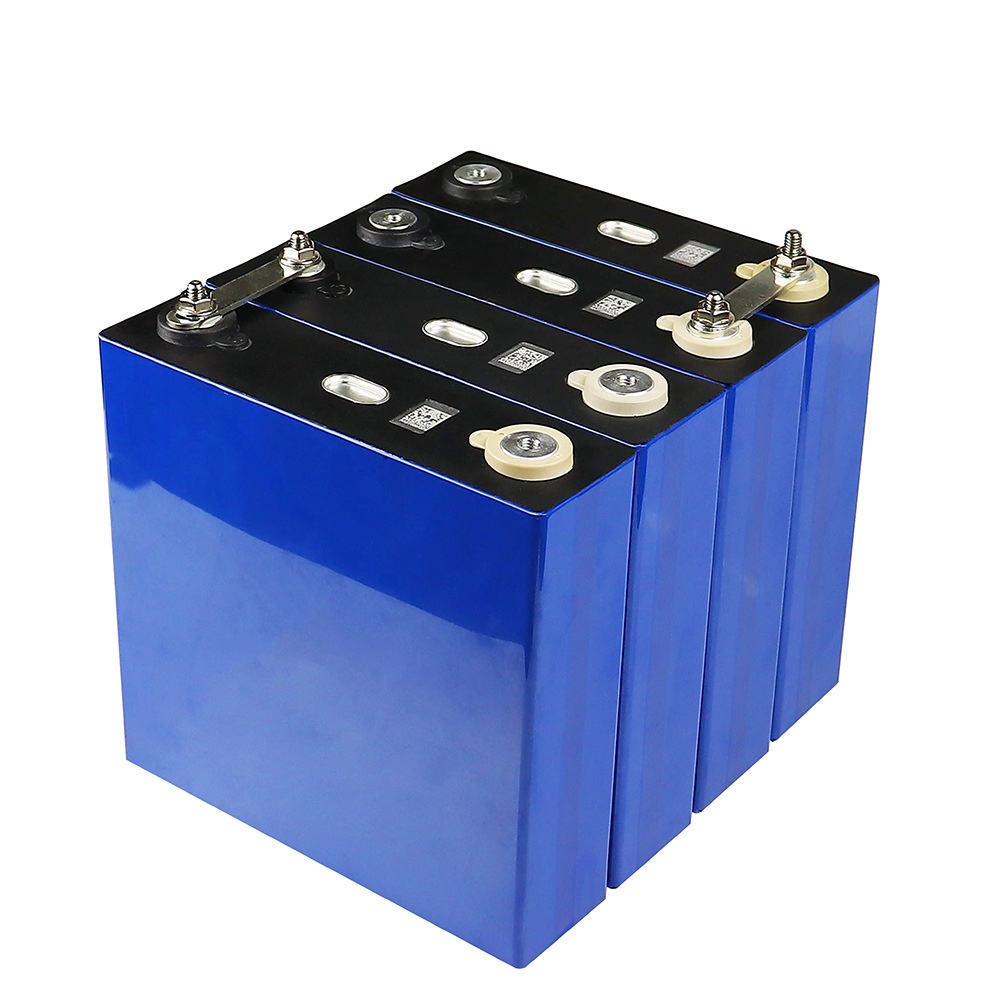
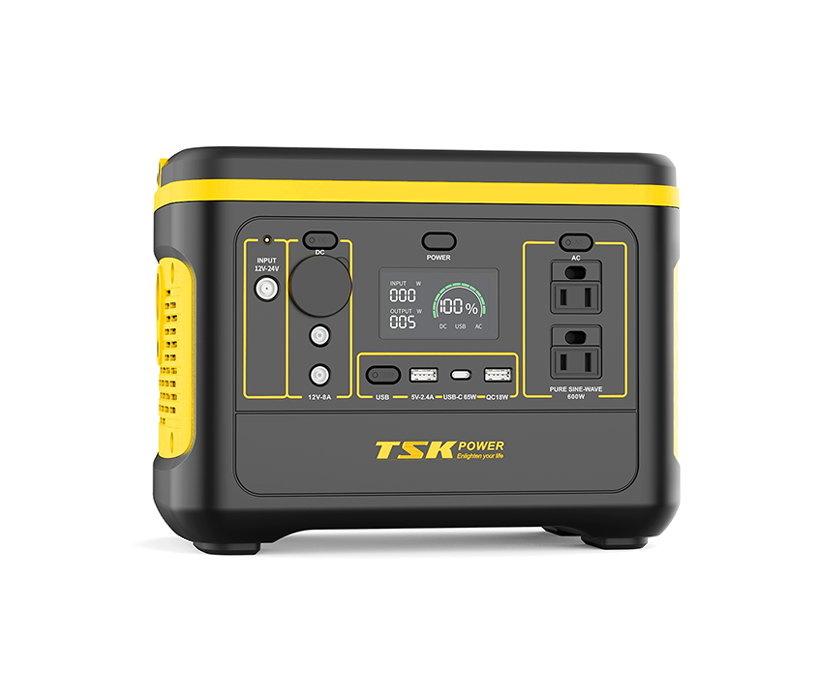
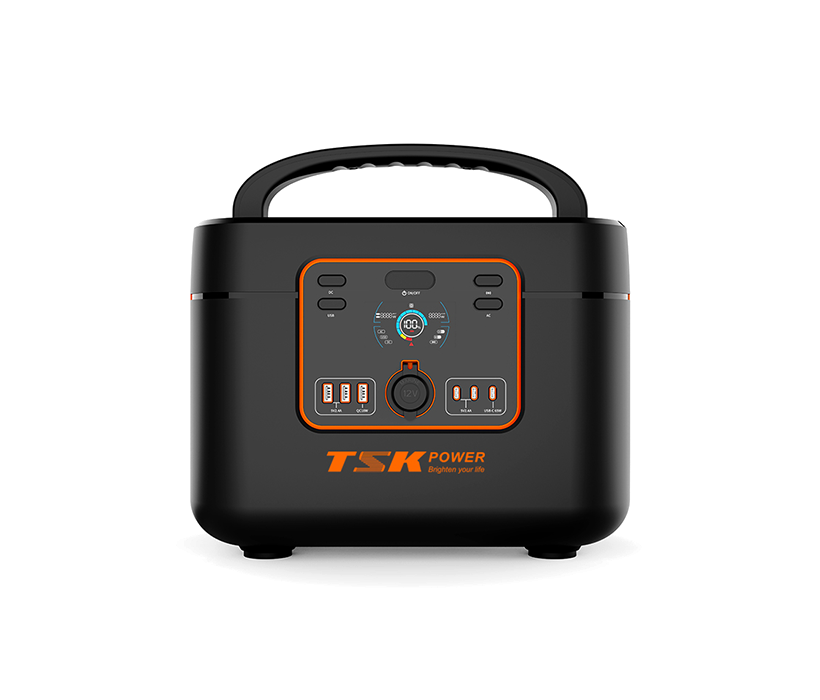
Outdoor power supplies are multifunctional portable energy storage power supplies with built-in lithium-ion batteries, which can store electricity and have AC output. It can power and use various devices that need to be plugged into a power socket, such as small household appliances, car-mounted products, digital devices, etc., which is very suitable for outdoor travel, camping, emergency and other occasions. So, how to choose a suitable one from a large number of outdoor power supplies? We need to understand the following key parameters:
Power: Power refers to the maximum AC power that an outdoor power supply can output, in watts (W). The size of the power determines what kind of electrical appliances the outdoor power supply can drive, and also determines what you can do with it outdoors. Generally speaking, the greater the power, the wider the range of devices that can be powered. For example, if you only need to charge digital devices such as mobile phones, tablets, cameras, etc., then a power of about 100W is enough; if you want to use some small household appliances outdoors, such as rice cookers, kettles, hair dryers, etc., then you need a power of more than 500W; if you want to use some high-power devices outdoors, such as microwave ovens, air conditioners, refrigerators, etc., then you need a power of more than 1000W or even higher.
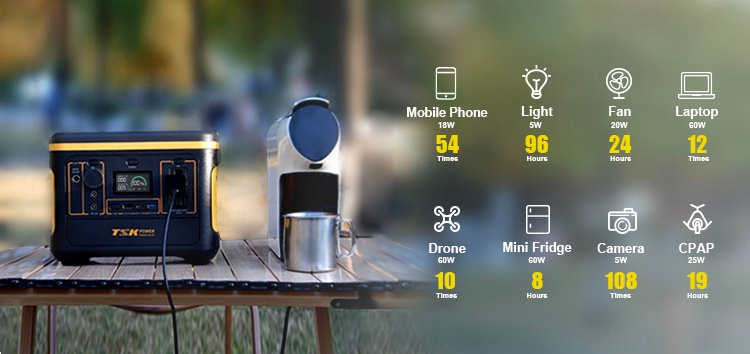
Capacity: Capacity refers to the total electrical energy stored in the lithium-ion battery inside the outdoor power supply, in watt-hours (Wh). The size of the capacity determines the time that the outdoor power supply can continue to supply power, which also determines how long you can use it outdoors. Generally speaking, the larger the capacity, the longer the battery life. For example, if you only need to charge your mobile phone once, then a capacity of about 100Wh is enough; if you want to use some small household appliances outdoors for a few hours, then you need a capacity of more than 500Wh; if you want to use some high-power devices outdoors for a few days or even longer, then you need a capacity of more than 1000Wh or even higher.
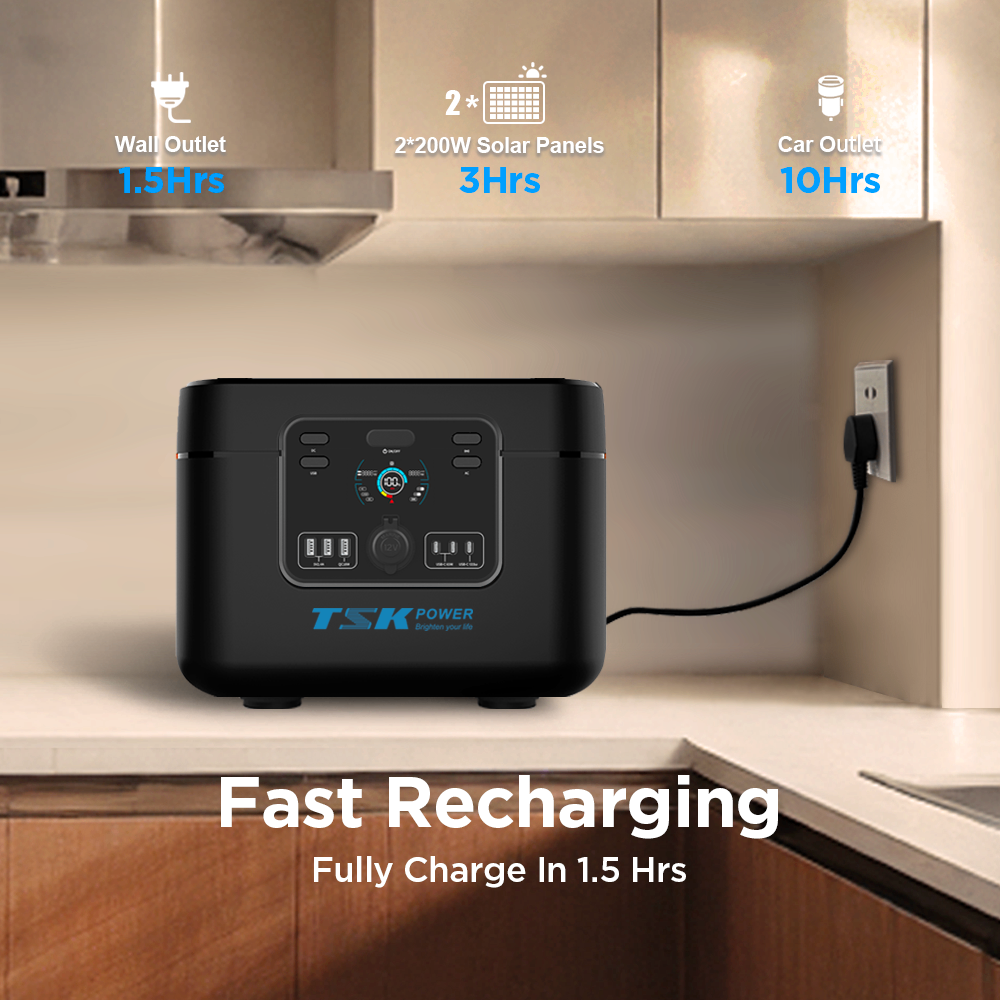
Charge and discharge speed: The charge and discharge speed refers to the time required for the outdoor power supply to be fully charged or fully discharged once, in hours (h). The speed of charging and discharging determines the efficiency and life of the outdoor power supply, which also determines how quickly you can replenish or release energy for it outdoors. Generally speaking, the faster the charging and discharging speed, the higher the efficiency and the longer the life. For example, if you only have a short time to charge the outdoor power supply, then you need to choose a product with a fast charging speed; if you want to power other devices or free up space as quickly as possible outdoors, then you need to choose a product with a fast discharge speed.
Safety performance: Safety performance refers to whether the outdoor power supply will have abnormal conditions such as overcharging, over-discharging, over-temperature, over-current, short circuit, etc. during use, and whether there are corresponding protection measures and prompt functions. The quality of safety performance determines whether the outdoor power supply will cause harm or damage to the human body or other equipment, which also determines whether you can use it safely outdoors. Generally speaking, the better the safety performance, the lower the risk of use. For example, if you encounter extreme temperature or humidity outdoors, then you need to choose a product with temperature protection and waterproof functions; if you encounter sudden voltage or current fluctuations outdoors, then you need to choose a product with overvoltage protection and overcurrent protection functions.
The above is my introduction to how to read the parameters of outdoor power supplies. I hope it can bring some convenience and guidance to your outdoor activities.



 English


 2024-08-19